Most people visit Nova Scotia by bouncing between the famous stops: Peggy's Cove, a lobster roll, a photo of Lunenburg's waterfront, and back to the airport, without going deep enough to truly appreciate 'Canada's Ocean Playground'. This is the week I'd plan for a friend who has never been, built around the things that made me fall for the province, most of which involve getting off the highway and onto the water.
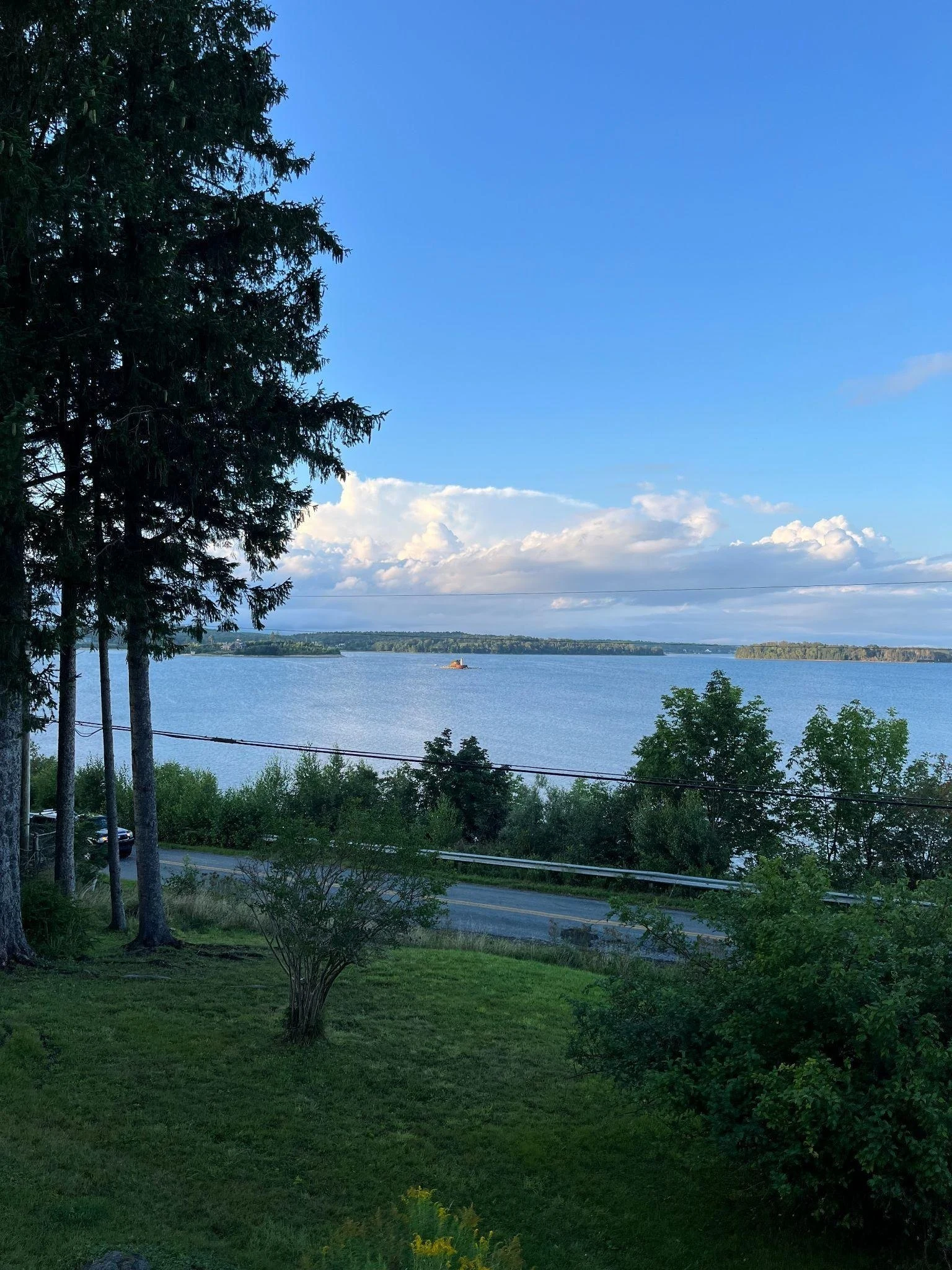
One disclaimer: I've spent every summer of my life in Mader's Cove, just outside Mahone Bay, so I'm as biased about the South Shore as it gets.
The route runs in a loop from Halifax, down the South Shore and up through the Annapolis Valley to the Bay of Fundy, with no drive longer than about an hour and a half. It's built for an active first-timer, with a budget option and a splurge option where it matters most.
Highlights:
- A massive colonial citadel overlooking Halifax where history comes to life, and dinner with live music in a house that survived the Halifax Explosion
- A day out among Mahone Bay's 365 islands, with the option to sleep anchored in a cove
- Lobster rolls on an island at sunset, and lobster straight from the tank on Lunenburg's waterfront
- Gaff Point, the South Shore's classic coastal hike
- Walking the sea floor at Burntcoat Head, where the world's highest tide was recorded, then rafting the tidal bore
Interested in learning more about my Nova Scotia background? Read the Why Nova Scotia? essay.
When to go
June to October. If the water is part of the plan, come in July or August; it isn't warm enough for good boating until July.
Start on a Sunday if you can. Henry House in Halifax is closed Mondays and Tuesdays, and a Sunday start also lines up the rest of the week with the days each stop is open.
Getting there
Fly into Halifax Stanfield either the night before or early on the morning of Day 1. Hold off on the rental car until leaving Halifax. Downtown is walkable and parking is expensive, and the Route 320 bus gets you from the airport to downtown in about an hour for under C$5.
Day 1 (Sunday): Halifax
Ease into the morning with coffee and breakfast at Xena's Bread and Butter, near the Citadel, then walk up to the fort for 11. The star-shaped colonial fort above downtown takes one to two hours, and you will want to be on the ramparts for the noon gun, fired every day since 1857. Parks Canada made admission free from June 19 to September 7 in 2026, so check whether that's on for your dates; anyone 17 and under is always free.

Cross the street to the Public Gardens, a free Victorian garden laid out in 1867, then head down to Barrington Street for lunch at Henry House, a pub in an 1834 stone house that's now a National Historic Site.
Walk down to the waterfront after lunch. The boardwalk runs for more than four kilometers, with some of the best food and drink in the city along the way. Give the Maritime Museum of the Atlantic, my favorite museum in Halifax, about an hour and a half; it's open daily from 9:30 to 4:30 in season, and admission is C$11. Halifax was the port that recovered the Titanic's dead, and the museum's collection of wreckage from the ship is a notable feature. Don't skip the gallery on the 1917 Halifax Explosion, which levelled much of the North End.

The North End is also where you're having dinner. The Narrows Public House, on Gottingen Street in the North End, is my favorite restaurant in Halifax: an 1896 house that survived the Explosion, with a charming, antique, cozy-coastal, historic atmosphere, Maritime comfort food and local beer. There's live music on Sundays from 6 to 8:30, and they don't take reservations, so get there early.
Day 2 (Monday): The harbor and the North End
Spend the morning on McNabs Island, at the mouth of the harbor. It's part of a provincial park, with walking trails, old fortifications and beaches, and very few people. Ambassatours runs round trips from Cable Wharf on the waterfront; check the schedule and bring water and snacks. For a shorter outing, take the ferry from the same wharf to Georges Island, the fortified island in the middle of the harbor, and tour its underground tunnels with Parks Canada. Adult tickets were C$15 to C$24 in 2026.
For lunch, take the Halifax ferry to Dartmouth. These are the oldest saltwater ferries in North America, and a ride costs about the same as a bus ticket. Get off at Alderney Landing and get a lobster roll at Evan's Seafood, right by the terminal.
Back in Halifax, spend the afternoon on Agricola Street in the North End, the city's main stretch for vintage shopping. Halifax Vintage Co-op, at 2623 Agricola, has more than 20 vendors across two floors of an old house, with housewares and antiques downstairs and clothing upstairs. Esmé & Evee, at 2674, is mostly vintage clothing, next door to Agricola Street Books, a secondhand bookstore. (Lost & Found, at 2383 Agricola, is closed Mondays.) If you'd rather stay downtown, The Loot Vintage at 1711 Barrington Street fills two floors. If history interests you more than shopping, go instead to Pier 21, the Canadian Museum of Immigration, on the waterfront, and Fairview Lawn Cemetery, where many of the Titanic's victims are buried.
In the evening, take the Alexander Keith's brewery tour at 1496 Lower Water Street. It's about an hour, with guides in period costume, through one of the oldest working breweries in North America, and it ends in the Stag's Head pub with samples and live music. Book ahead; it sells out on summer weekends. My friends prefer to experience Keith's by the dozen, but the tour is the better introduction. Before you leave Halifax, eat a donair, the city's own take on a doner kebab, with spiced beef and a sweet garlic sauce.
Day 3 (Tuesday): Peggy's Cove and Lunenburg
Pick up the car downtown (Budget and Avis both have offices on Hollis Street) and leave by 7:15 am. Bring breakfast with you; outside the city, very little is open before 8 am.
Stop first at Polly's Cove, a few kilometers before Peggy's Cove on Route 333. The trail crosses open granite with views back toward the village and passes old wartime bunkers. Walk the 15 to 20 minutes to the viewpoint and back; the full loop takes about two hours if you'd rather skip Peggy's Cove altogether. Parking is two small roadside lots, so get there early.
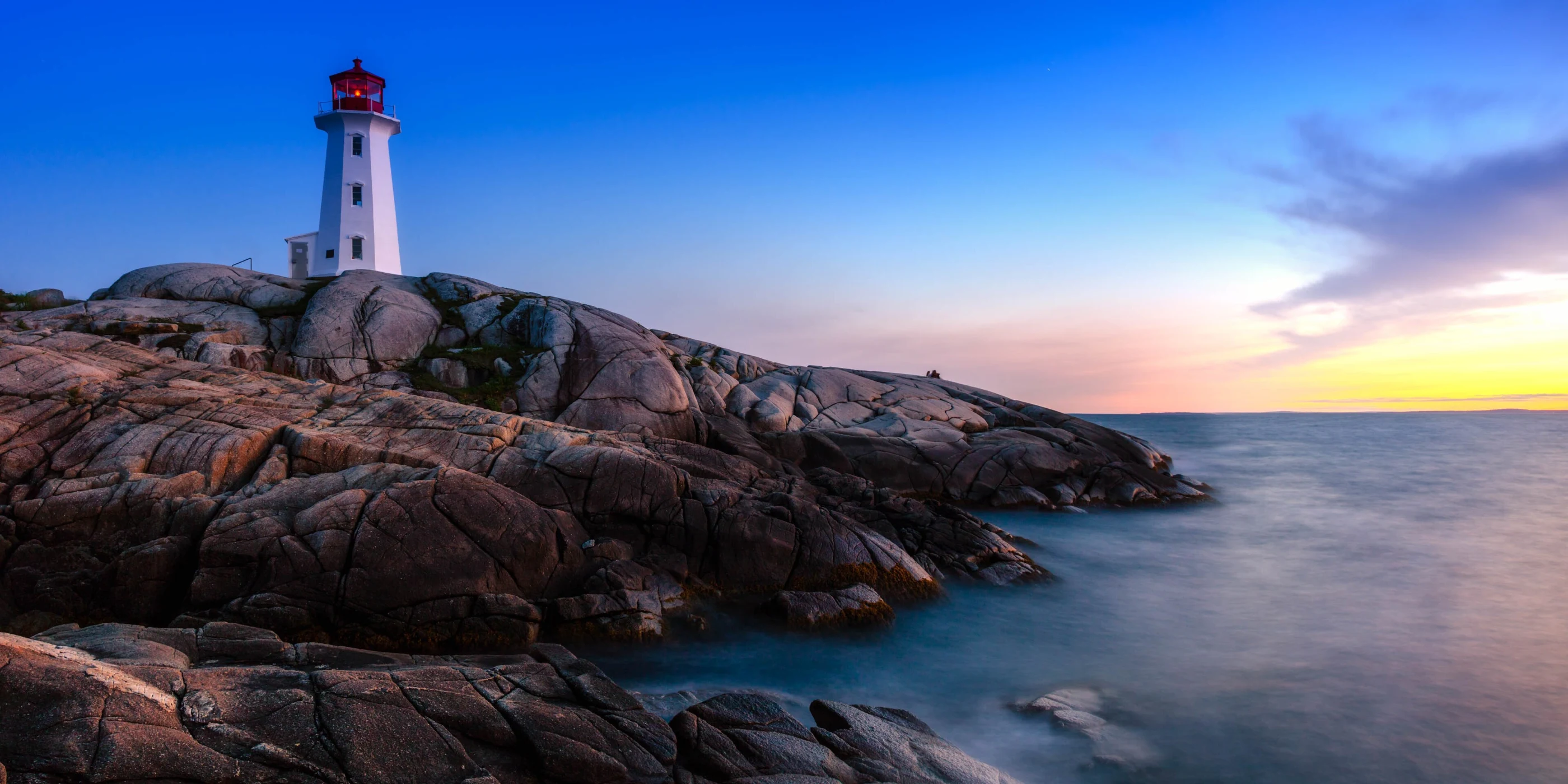
Then give Peggy's Cove half an hour. It's photogenic but completely overrated unless you happen to be nearby (which you will be). The tour buses arrive in force from 11 am to 3 pm, so you'll beat them. Stay on the dry white rock; rogue waves wash over the dark rock even on calm days.
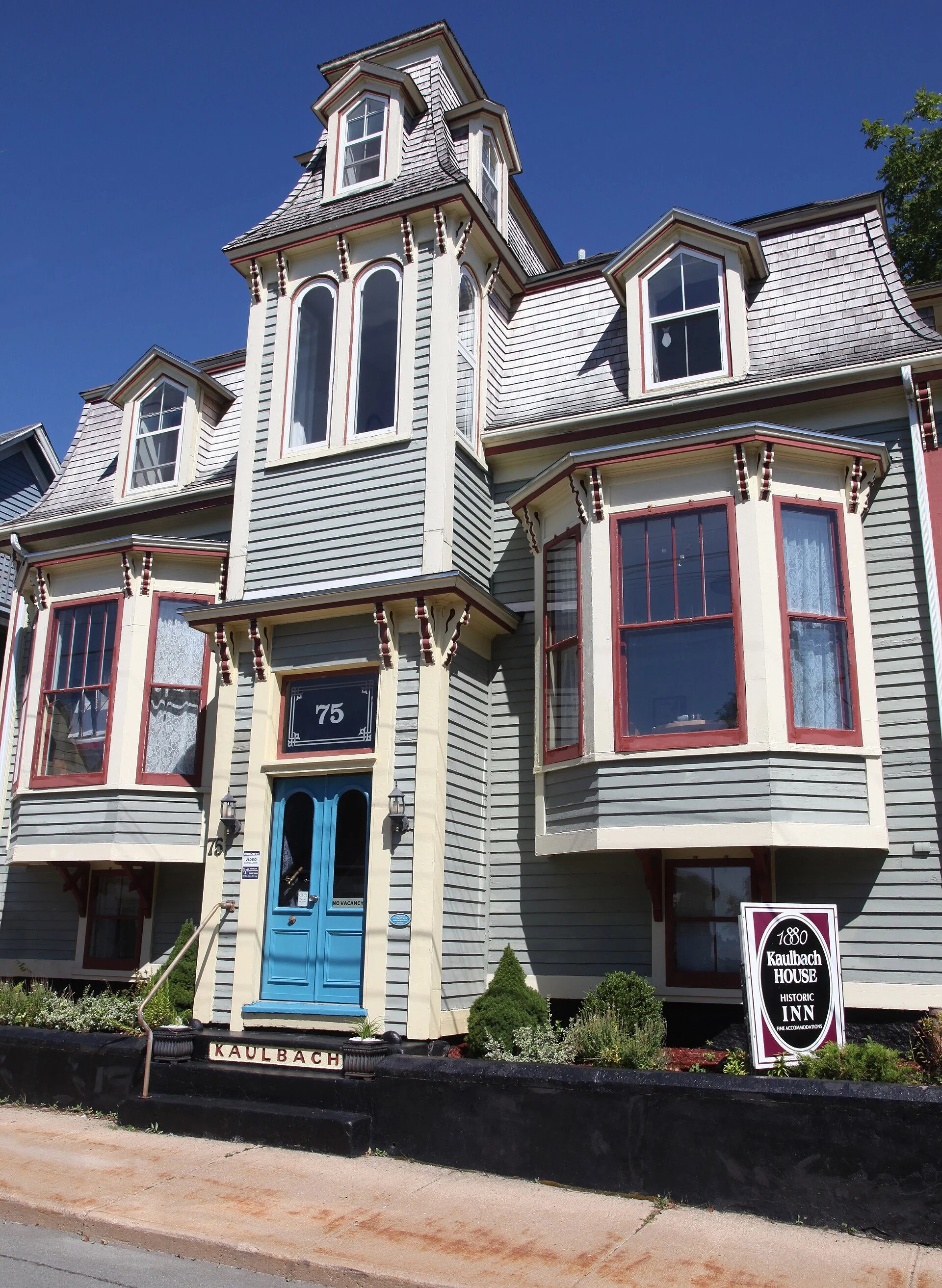
Lunenburg is about an hour further on. It's a UNESCO World Heritage Site, and a guide will show you what you'd otherwise walk right past, so start with the Essential Lunenburg Walking Tour from Lunenburg Walking Tours: 90 minutes, about C$25, starting at the Lunenburg Academy at the top of the hill. Look for the "Lunenburg bump," the second-floor overhang above the front door of many houses here. Nobody knows for certain where it came from.
Have lunch at the Salt Shaker Deli on the harbor. It's open daily and doesn't take reservations; get the smoked seafood chowder, the fishcakes or the mussels. Eat early, because you'll need to check in before the Bluenose II sails at 1:30.
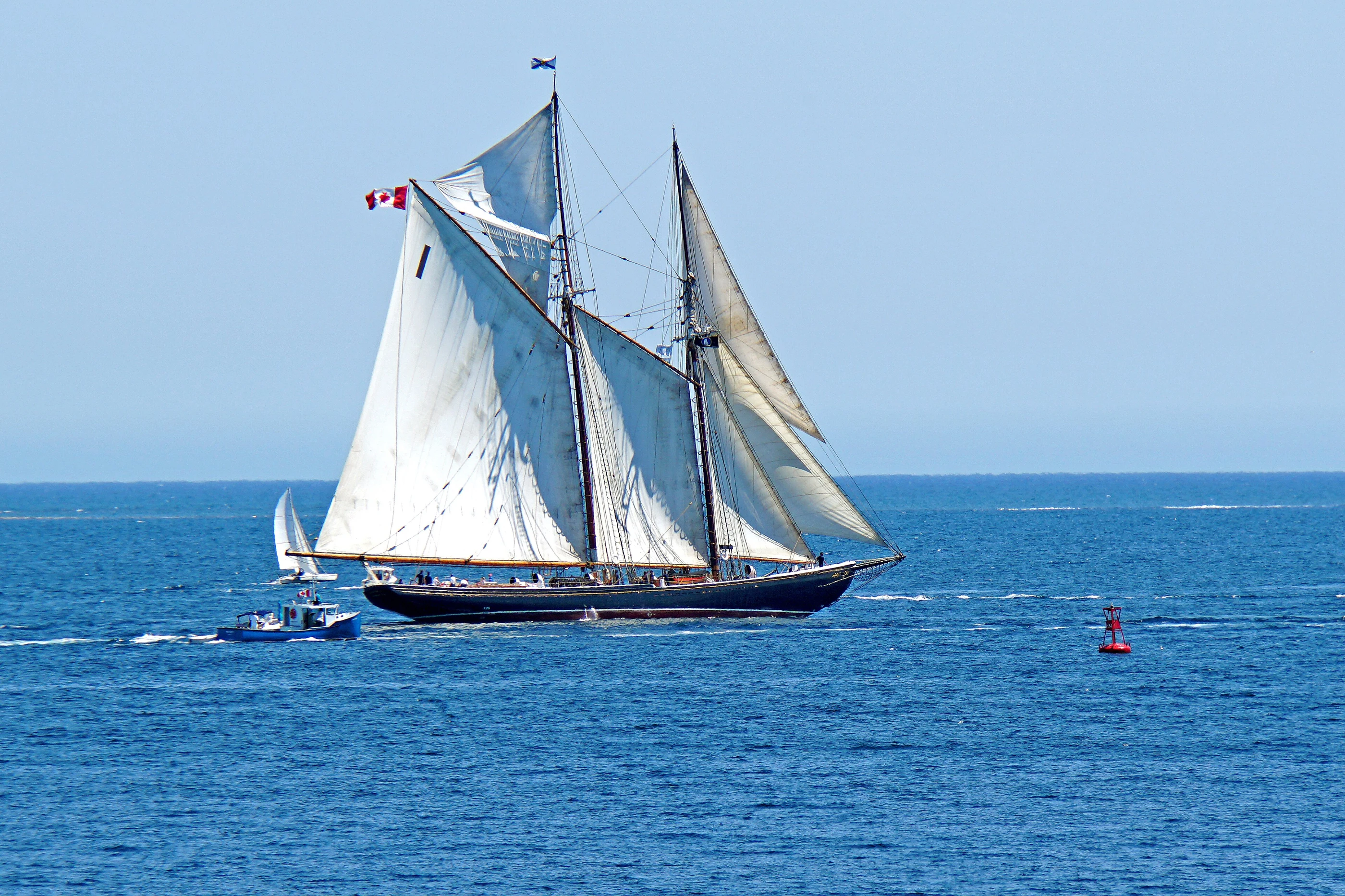
The Bluenose II is the replica of the schooner on the Canadian dime, and when she's in Lunenburg she runs two-hour harbor cruises at 9:30 am and 1:30 pm. She spends part of each summer visiting other ports, so check her schedule before you plan around her, and book early. If she's away or the weather is bad, spend the afternoon at the Fisheries Museum of the Atlantic on the waterfront (C$15). Your ticket includes the boats moored outside, among them the Theresa E. Connor, the last saltbank schooner to fish out of Lunenburg.
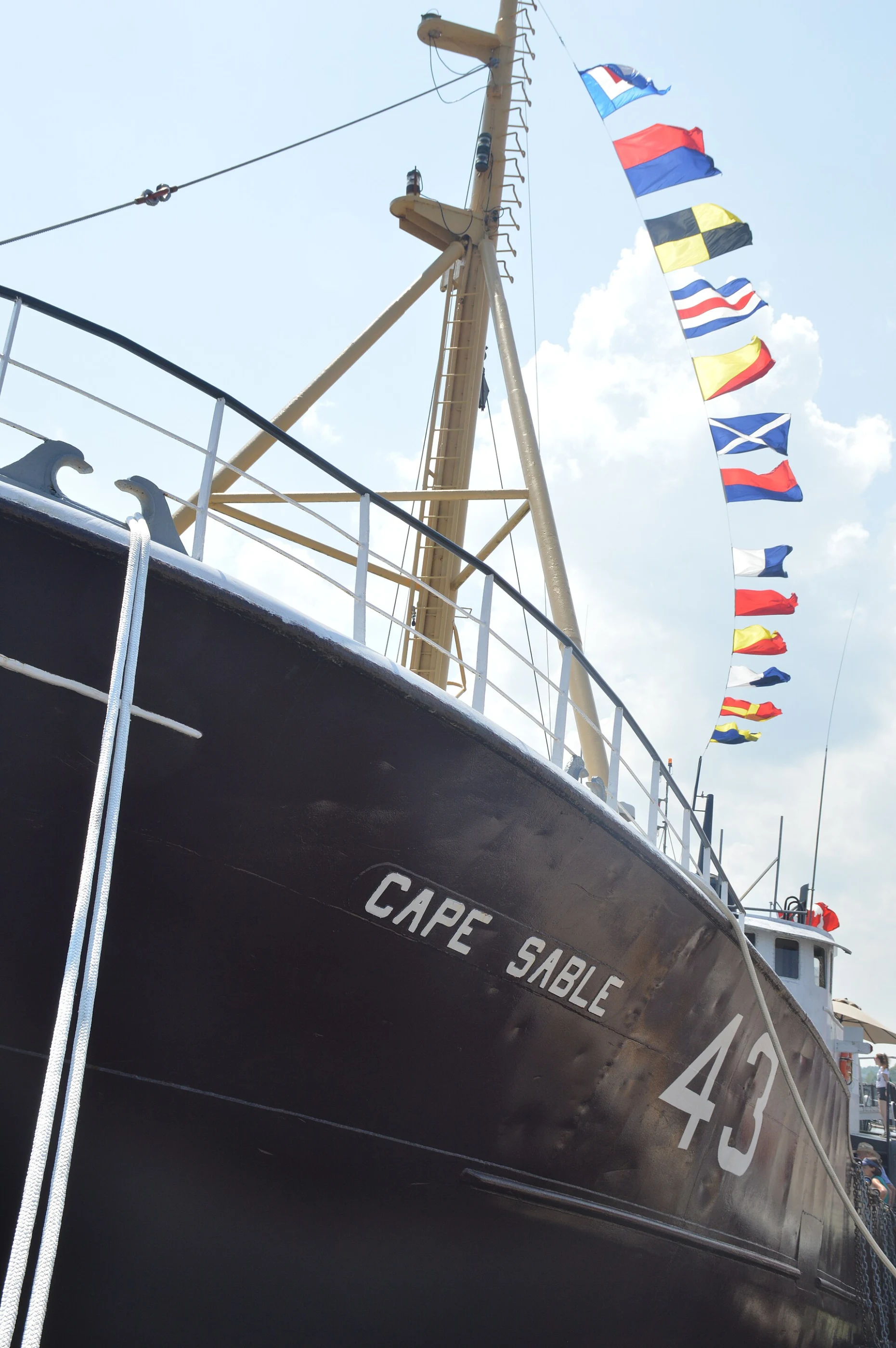
Tuesday is a common night off for Lunenburg restaurants, so eat dinner on the water. Pleasant Paddling runs evening kayak tours from Blue Rocks, ten minutes from town, through a maze of small islands. Its special evening tour, if it's running on your date, stops on an island for lobster rolls at sunset and stays out after dark for the bioluminescence. I spent a lot of nights as a kid watching that glow from the aft deck of our boat. Make sure to book ahead.
Driving today: about two hours.
Day 4 (Wednesday): The islands
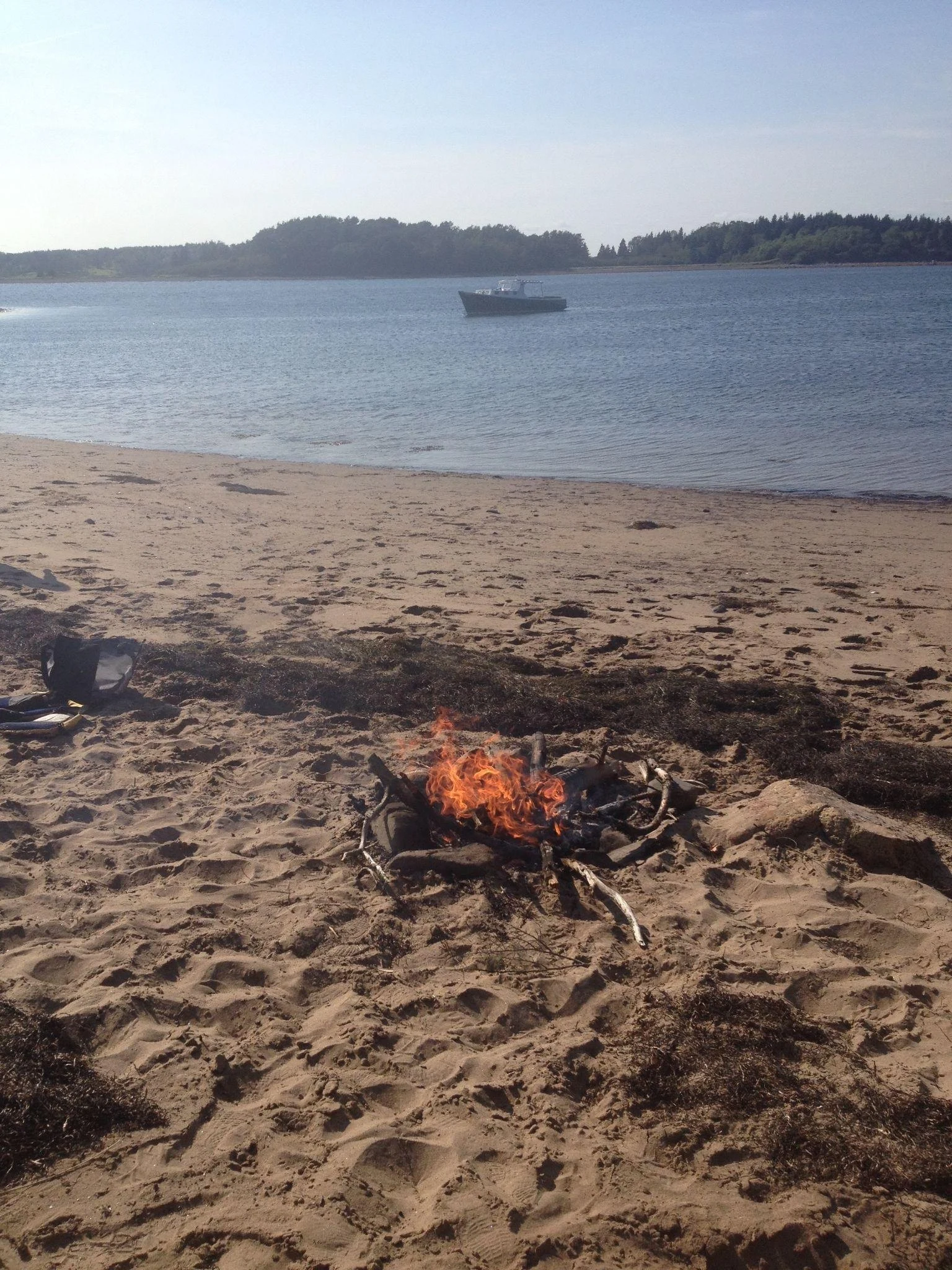
Mahone Bay has 365 islands. I grew up exploring them on our family's old picnic boat, the Pocahontas. Most visitors never set foot on one, because without a boat or a friend who has one, they're hard to reach. That's no longer the case. This is the day most at the mercy of the weather, so if the forecast is bad, swap it with Day 5.
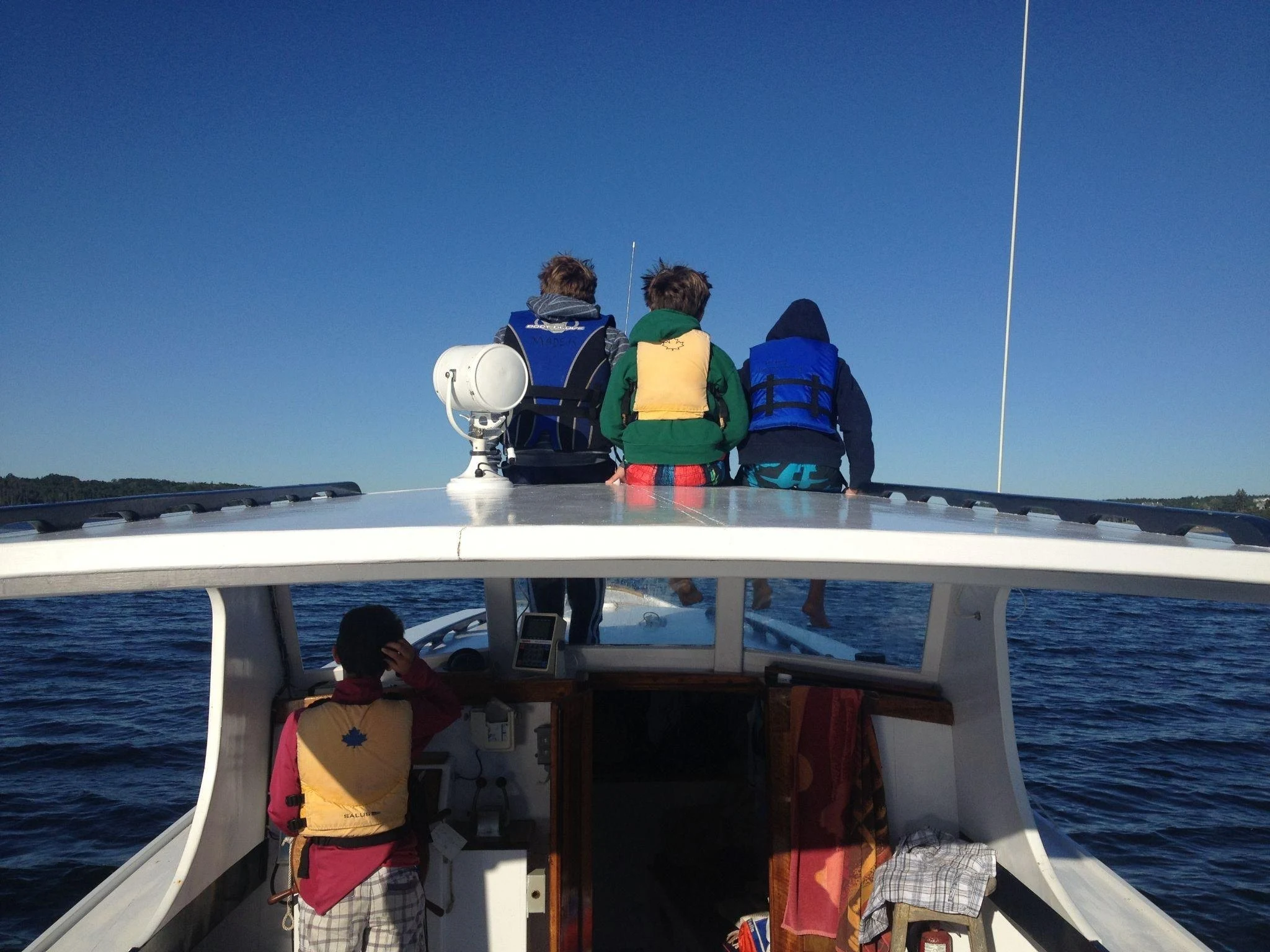
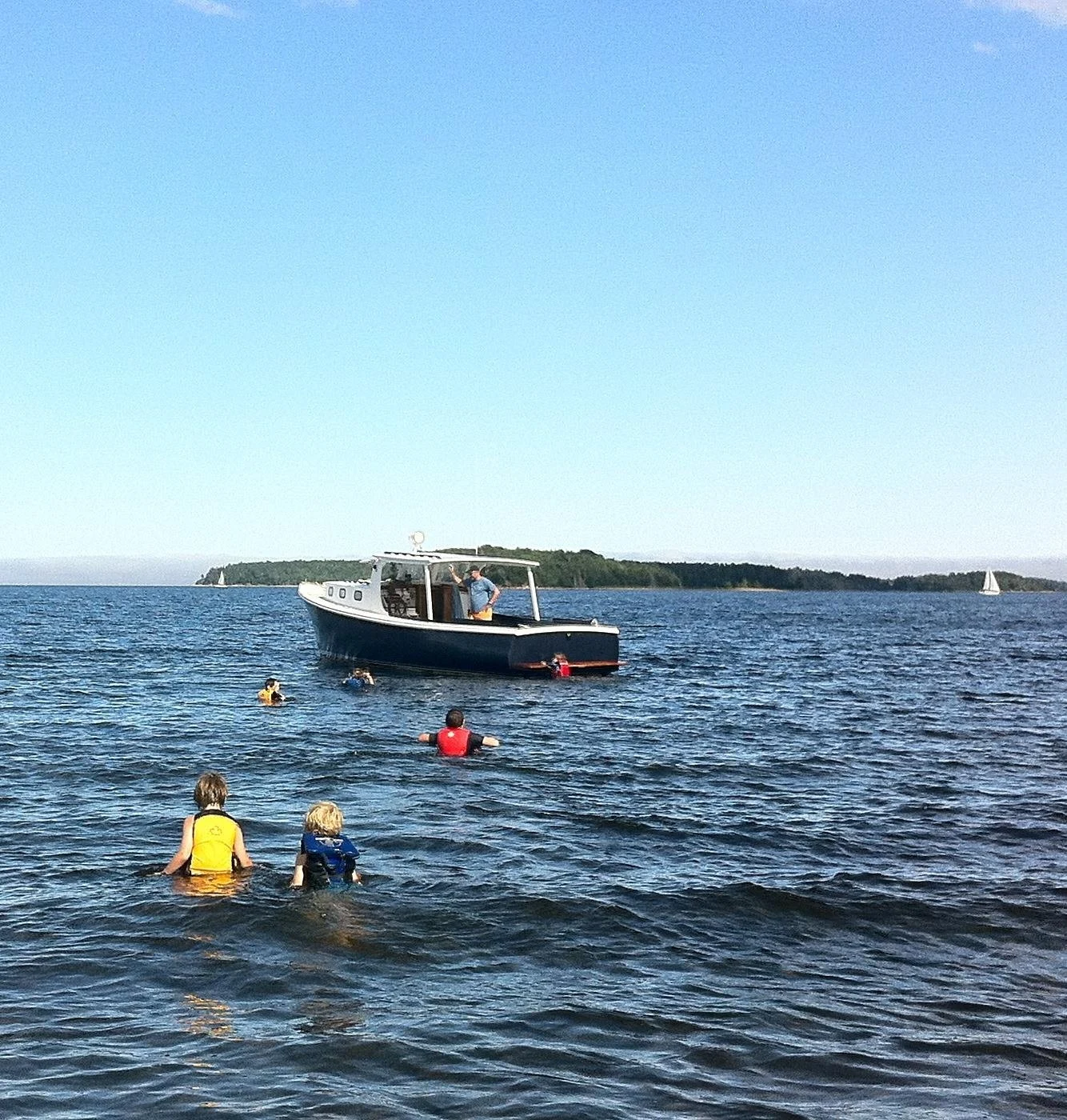
For the splurge, book a full-day private sail with Sail & See on Oak Haven, a 35-foot sailboat that leaves the Mahone Bay Civic Marina at 10 am. It anchors at an island at midday for a picnic lunch and a swim, and you're back by dinner. In 2025 it cost C$900 plus tax for four adults (about C$225 each), plus C$105 for each extra guest, up to six.
There are cheaper ways to get out there. Lunenburg Kayak Rentals & Floating Cottages runs three-to-four-hour private motorboat trips to the white sand beach on Bachmans Island, and rents kayaks to groups of two or more. Pleasant Paddling's morning tour from Blue Rocks winds through sheltered islands to a seal colony. To captain your own boat, rent from Whaly Boat Rentals in Mahone Bay, which sends you out with a chart plotter after a safety demo. Check the wind first. I once capsized a twenty-foot sailboat in twenty-five knot winds.
My favorite place in Nova Scotia was never really a place. It was being on the Pocahontas, anchored overnight in the cove of an island, and you can now book a version of it. Lunenburg Kayak Rentals moors an off-grid floating cottage in a sheltered inlet near Lunenburg, with a rowboat for getting around; Tourism Nova Scotia sells it as a two-night package. Sail & See runs two-night glamping stays on Gifford Island, with transport from Mahone Bay and dinner both nights (a lobster boil is one of the options); contact them for prices. Either one replaces two nights at your base in Lunenburg.
If you're back on land tonight, have your lobster dinner at the Grand Banker Bar & Grill on the Lunenburg waterfront. It keeps live lobster, it's open daily, and it takes reservations. If you can't choose between lobster and a burger, the Lunenburger is a burger topped with lobster and a bacon-wrapped scallop, the maximalist's perfect surf-and-turf.
Day 5 (Thursday): Mahone Bay and the coast
Drive 15 minutes to Mahone Bay and start with the classic view of the Three Churches, taken from across the harbor on Oakland Road. Then walk to Jo-Ann's Deli Market & Bake Shop at 9 Edgewater Street and order the coconut cream pie with a side of grape nut ice cream. It's the best pie in the world, and 10am is a fine time to eat it. Work it off with an hour on the old rail trail toward Lunenburg. Sweet Ride Cycling in town rents bikes and e-bikes by the half day, helmets included (they're required by law in Nova Scotia).
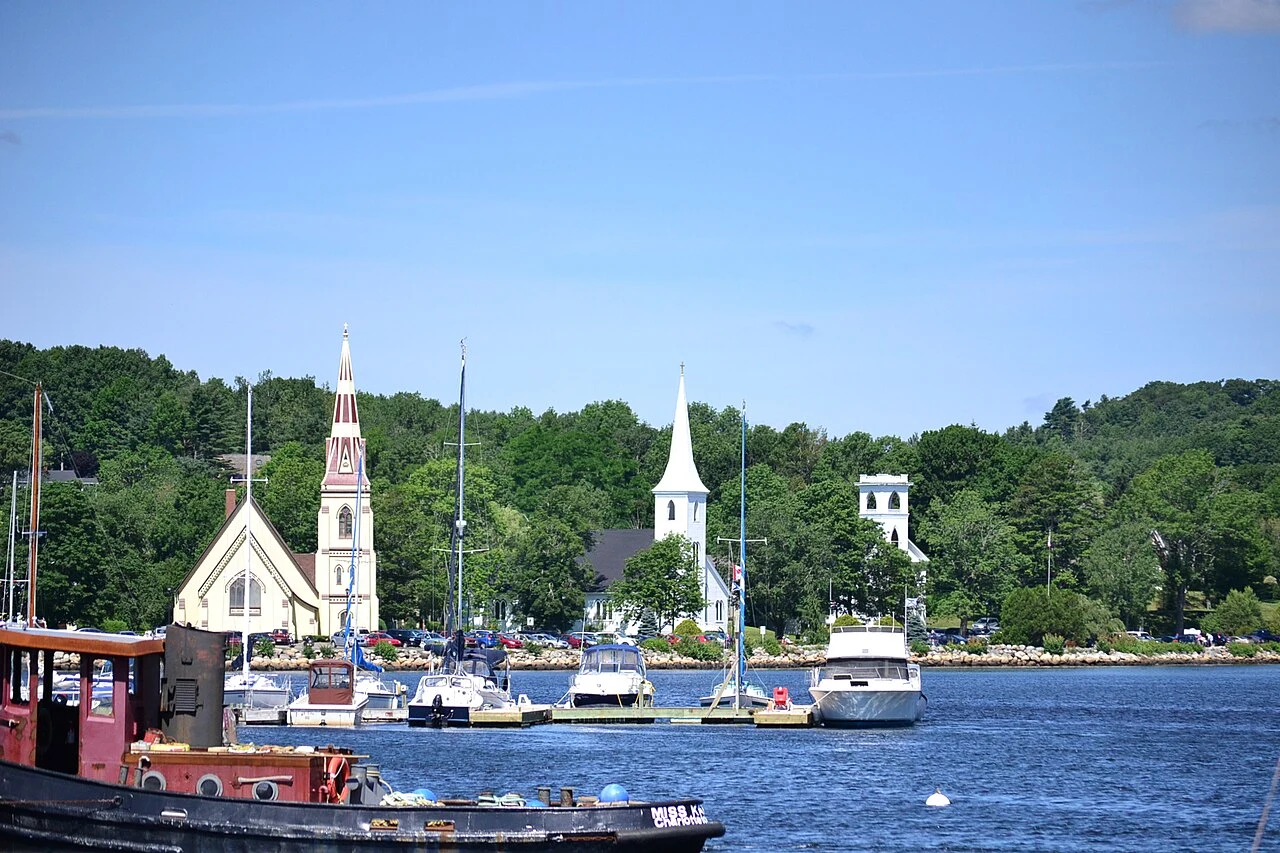
Then drive out to the coast past Lunenburg. Have lunch at the Rose Bay Cafe & General Store, then stop at Ovens Natural Park, a privately run park with a 1.5 km clifftop trail past a string of sea caves. At Cannon Cave, a carved staircase takes you down close enough to hear the waves boom inside. It takes about an hour, and there's an entry fee.
Spend the afternoon on the South Shore's classic coastal hike, Gaff Point. It's 6.5 km round trip and takes two to three hours from the Hirtle's Beach parking lot. Walk 1.5 km down the beach toward the headland, watch for the sharp right into the woods at the trailhead (it's easy to miss), and follow the loop around the point, with cliffs on both sides. The beach is easiest to walk at low tide. Wear proper shoes for the muddy stretches, and tuck your pants into your socks; the signs at the trailhead warn about ticks. If you'd rather spend the afternoon on a beach than hiking one, go to Risser's Beach Provincial Park, further down the coast.
On the way back into Lunenburg, stop at Lightship Brewery. The expansive patio goes all the way down to the water and looks back across the water for some of the best views of the town. Pick a designated driver before the first round.
For dinner, book Beach Pea Kitchen & Bar on Montague Street, OpenTable diners' top pick in Lunenburg. It's run by Martin and Sylvie Ruiz Salvador, whose previous restaurant, Fleur de Sel, was long considered the best in town, and Martin is also the chef behind the Salt Shaker. The cooking is Mediterranean in spirit and built on local seafood. It opens at 5, and you can reserve on OpenTable.
Driving today: about an hour and a half.
Day 6 (Friday): The Annapolis Valley
This is the longest day of the trip. If you're worn out, skip Cape Split and go to the Look-Off instead.
Leave Lunenburg by 8; the drive through Mahone Bay and up Route 12 takes about an hour and a half. Start with an hour at Grand-Pré National Historic Site, the gateway to a UNESCO-listed landscape and the memorial to the Acadian settlers the British deported from this land in the 1750s. It's a Parks Canada site, so watch for the same free summer admission as the Citadel.
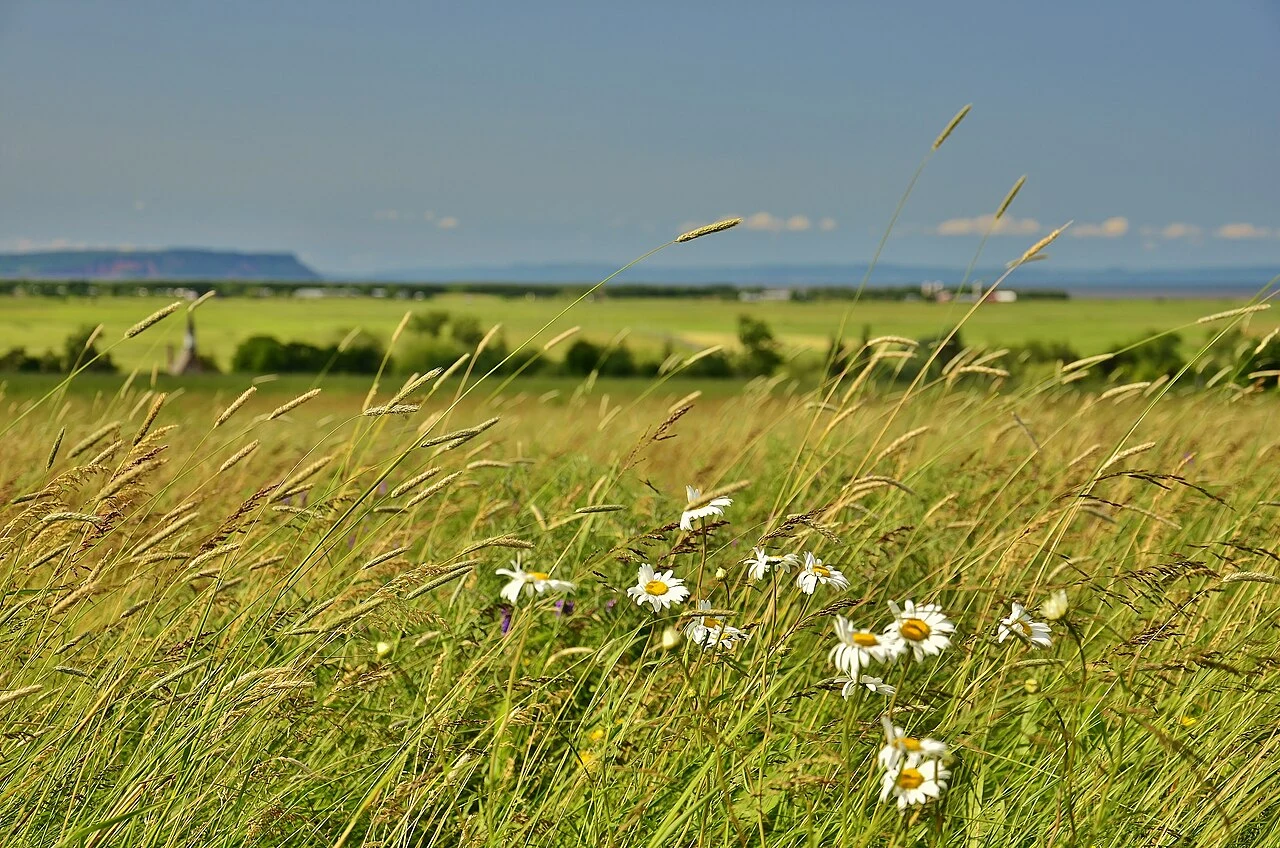
Then head to Luckett Vineyards for lunch. It's one of my favorite vineyards in the Valley. The patio looks out over the vines and the Gaspereau Valley all the way out to the water, and lunch runs from 11 to 4 without reservations, so get there at 11. Do a wine tasting flight. Don't ask me why there's a working British phone box in the middle of the vines.

Nest is Cape Split, 35 to 40 minutes north of Wolfville. The hike is 13.2 km around and takes four to six hours, mostly through forest, until it opens onto 200-foot cliffs and sea stacks at the tip, where the Minas Basin meets the Bay of Fundy. There are toilets at the trailhead and another set two kilometers in. Fog rolls in fast here, so check the forecast. If you skip it, drive to the Blomidon Look-Off near Canning for the view over the Valley and the basin, and get an ice cream at Lookout Ice Cream across the road.
Stay in Wolfville and walk to dinner. For a splurge, stay at the inn at Domaine de Grand Pré and eat at Le Caveau, its restaurant, so nobody has to drive after the wine.
Driving today: about three hours.
Day 7 (Saturday): The Fundy tides
The tide sets today's schedule, so check Burntcoat Head Park's tide table before you book anything. Times shift by roughly 50 minutes a day.
Burntcoat Head Park, an hour and a fifteen minutes from Wolfville, holds the record for the highest tide ever measured: 16.3 meters. At low tide you walk on the red sandstone sea floor; six hours later, it's underwater. The park says the ocean floor is safe from three hours before low tide until three hours after, and warns that you risk getting stranded if you aren't back on shore three hours before high tide. Guided low-tide walks run on select days from May to October and need to be booked.
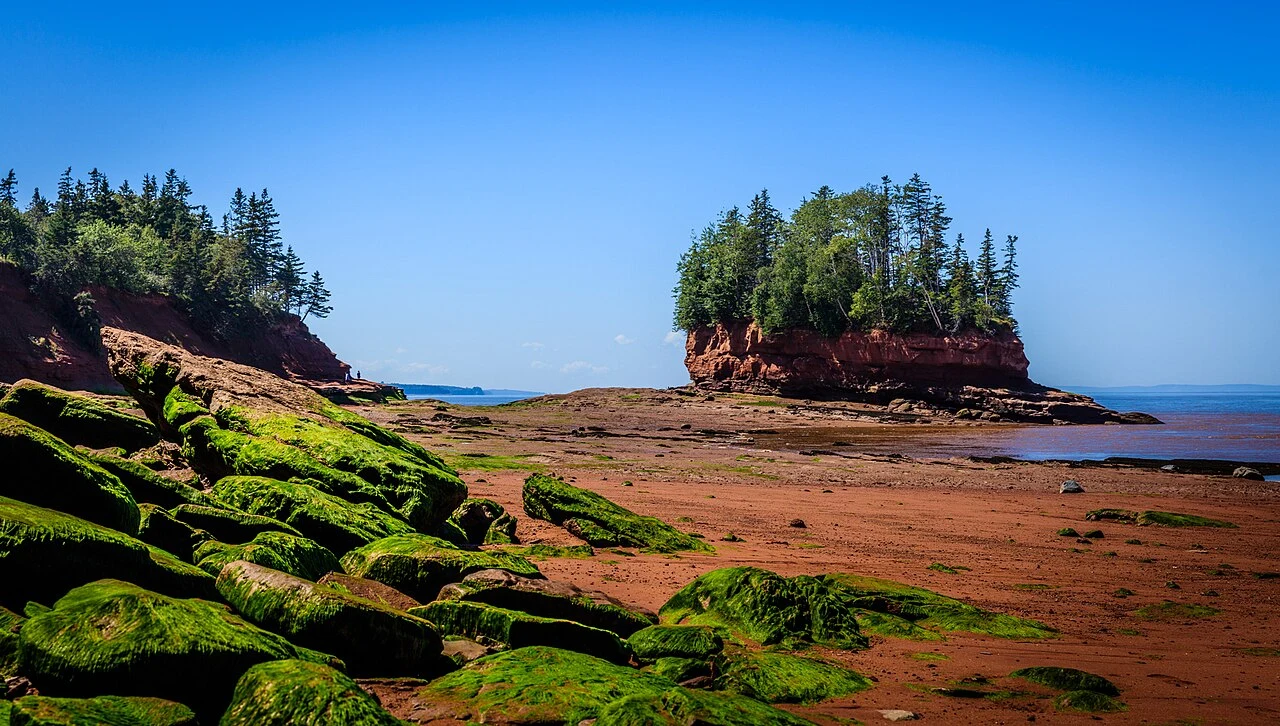
Ten minutes away, the incoming tide surges up the Shubenacadie River as a tidal bore, and several outfitters take Zodiacs out to ride it, including Shubie River Wranglers (family-run since 2013), Tidal Bore Rafting Resort (Indigenous-owned) and River Runners in Maitland. Expect around C$85 to C$105 per person. Wear clothes you don't mind losing to the red mud; some tours end with a slide down the riverbank. The bore reaches Maitland about three hours after low tide at Burntcoat, so you get to walk the sea floor at low tide, then ride the water back in. For a free and dry view, watch from the deck of the Fundy Tidal Interpretive Centre in South Maitland.
Halifax is about 95 km from Burntcoat, roughly an hour and 15 minutes, and the airport is on the way. Timing will depend on the tides, so either book an evening flight or fly out the next morning. If you're staying the night, the Narrows also has live music on Saturdays from 8:30. If the tides line up badly for your dates, swap Days 6 and 7, or hike Cape Split on the morning of Day 7 and visit Burntcoat in the afternoon.
Driving today: about three hours.
With less time, or more
With four days, do Day 1 and then Days 3 to 5. With five, add Day 2. With ten or more, add Cape Breton and the Cabot Trail, where my Nana is from, to the seven day itinerary. They're about a four hours' drive from Halifax and worth three or four days on their own.
What to skip
Skip Peggy's Cove as a destination in itself; half an hour on the way past is enough. Skip whale watching on this route. The province's best-known whale watching is off Digby Neck in the far southwest, which is a trip of its own, and a harbor cruise from Halifax is no substitute. Skip the car in Halifax, where you'd mostly be paying to park it. And don't try to fit Cape Breton into the same week.
How to save money
Take the 320 bus from the airport, and don't rent a car until Day 3. Watch for free Parks Canada admission, which in 2026 covered the Citadel, Georges Island and Grand-Pré from June 19 to September 7 (the Georges Island ferry was extra). Use the Dartmouth ferry as your harbor cruise. Camp at Ovens Natural Park on the South Shore or at Blomidon Provincial Park near Cape Split. See the islands by kayak or small boat instead of on a private charter. If you only splurge once, make it time on the water in the Mahone Bay area.
Where to stay
Halifax (2 nights). The Prince George Hotel downtown, or the Halifax Marriott Harbourfront if you want to be on the boardwalk. On a budget, HI Halifax Heritage House is a hostel in a heritage building, renovated in 2024, with dorms and private rooms 200 meters from the bus and train station.
South Shore (3 nights). Stay in Lunenburg, which has the most to do and puts dinner within walking distance. The Sail Inn, at the center of Old Town, has four rooms that all look out on the harbor, each with a kitchenette, though it stopped serving breakfast in 2024 and has only three parking spots. For a full-service hotel with a spa, the Lunenburg Arms is a two-minute walk from the water. You can also book one of the four rooms above the Salt Shaker Deli. On a budget, Ovens Natural Park has oceanfront tent sites and cabins, with live music from 5pm to dusk between mid-June and mid-September.
Annapolis Valley (1 night). The Tattingstone Inn in Wolfville, or the inn at Domaine de Grand Pré for a splurge. On a budget, Blomidon Provincial Park, about 25 minutes from the Cape Split trailhead.
Practical details
You need a car from Day 3. In July, downtown Halifax rentals averaged about C$154 a day on KAYAK, so book early and go small. Reserve ahead for the Bluenose II, the Keith's tour, any charter or night on the water, Pleasant Paddling, tidal bore rafting, Beach Pea, and South Shore rooms in July and August. The Lunenburg Folk Harbour Festival fills the town in early August. The Bluenose II's season starts in June.
FAQ
How many days do you need in Nova Scotia? Seven covers Halifax, the South Shore and the Bay of Fundy. Add three or four for Cape Breton.
Do you need a car? Outside Halifax, yes.
When should you go? June to October (specifically July and August if you want to swim or go out on a boat).
Is Peggy's Cove worth visiting? As a half-hour stop on the way to the South Shore. The Polly's Cove trail next door has the same coastline with far fewer people.
Can you visit Mahone Bay's islands without your own boat? Yes: a charter, a kayak or motorboat tour, a self-drive rental, or a night in the floating cottage or on Gifford Island.
Where can you get a traditional lobster supper? The Shore Club in Hubbards has served what it calls the original Nova Scotia lobster supper since 1936: boiled lobster, mussels, a salad bar, rolls and dessert in an old dance hall. It's open Wednesday to Sunday from June to early October, with seatings from 4 to 7pm, and it sits off Highway 3 between Halifax and the South Shore. Reserve ahead.
When should you visit Burntcoat Head? Within three hours of low tide, which changes daily. Check the park's tide table.
Last checked September 2026.
Photo Credits:
Halifax Citadel sentry by William Li (CC BY-SA 4.0); Halifax Harbour by Tony Webster (CC BY-SA 2.0); Maritime Museum of the Atlantic by Letterofmarque (CC BY 3.0); Peggy's Point Lighthouse by Shawn M. Kent (CC BY 1.0); Kaulbach House by Marc-Lautenbacher (CC BY-SA 4.0); Bluenose II by Dennis G. Jarvis (CC BY-SA 2.0); Cape Sable trawler by Michael Stokes (CC BY 2.0); Mahone Bay's three churches by E.walker (CC BY-SA 3.0); Grand-Pré by Eric Van Lochem (CC BY-SA 4.0); Burntcoat Head Park by Shawn M. Kent (CC BY 4.0). All via Wikimedia Commons; resized for the web.


Want the next one?
Join the Dispatch and I'll send the next itinerary the moment it's ready.